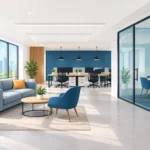
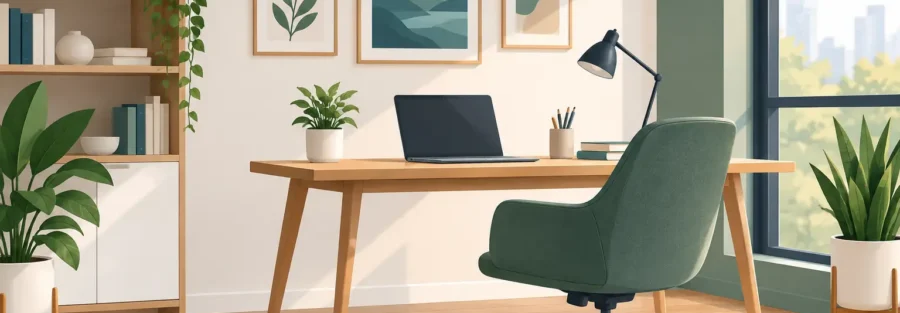
A spare-room desk and a folding chair may have worked as a temporary solution, but home office design trends now reflect a more permanent change in how people live and work. Homeowners are looking for spaces that support concentration during the day, feel connected to the rest of the property, and still look right once the laptop is closed. The strongest designs are not about copying a showroom. They are about creating a room that earns its place in the home.
For many properties in North London, where every room needs to work hard, a well-planned office can also add flexibility and appeal. Whether it is a dedicated study, a converted box room or a corner of a larger living area, thoughtful decorating and practical renovation make a noticeable difference.
Home Office Design Trends That Feel Built In
The move away from makeshift workstations is clear. Home offices are increasingly treated as considered interiors, with the same attention given to colour, lighting, joinery and finishes as a kitchen or bedroom. This creates a calmer space to work in and avoids the feeling that office furniture has simply been dropped into a spare room.
Warm, grounded colour schemes
Cool grey walls and stark white desks have given way to warmer, more settled palettes. Soft stone, putty, warm beige, muted olive, clay and gentle blue-grey are popular choices because they provide a calm background without feeling clinical. Deep greens, navy and charcoal can work particularly well in studies with good natural light, adding depth and a more tailored finish.
The right colour depends on the room’s orientation and size. A north-facing office may benefit from warmer undertones, while a bright south-facing space can carry darker or more saturated shades. A professional decorating finish matters here: subtle colours can look flat or uneven when preparation is rushed, especially around natural light.
Colour zoning is also becoming more common in open-plan homes. Painting the office wall, alcove or fitted storage in a related but deeper shade can define the work area without introducing a physical partition. It is a practical way to separate work from home life while keeping the room open.
Fitted storage with a furniture-like finish
Clutter is one of the quickest ways to make a workspace feel stressful. Fitted shelving, cupboards and desk units are replacing freestanding office storage, especially in smaller rooms and awkward alcoves. The goal is not just more storage, but storage that feels part of the architecture.
Full-height cupboards can hide printers, files, chargers and everyday equipment. Open shelves leave room for books, artwork and a few personal objects, stopping the room from becoming too corporate. When painted to match the walls, built-in pieces can visually recede. When finished in a contrasting colour, they become a confident feature.
This is an area where careful planning pays off. Consider where cables will run, where sockets are needed and how doors will open before decorating begins. A beautiful desk is less useful if it leaves no room for paperwork, no access to power or nowhere to store equipment at the end of the day.
Softening the practical elements
A productive office still needs to feel comfortable. Textured curtains, a wool rug, upholstered seating and timber finishes are being used to soften hard work surfaces and improve the room’s acoustics. This is particularly useful in homes where video calls are a regular part of the working week.
Window treatments deserve more thought than they often receive. Blinds may be the right choice where screen glare is the main concern, while lined curtains can bring warmth and help absorb sound. In a multi-purpose room, combining a discreet blind with curtains can offer better control over privacy and light.
Natural materials add character, but they should be chosen for the way the room is used. A pale rug can look excellent in a low-traffic study, yet may not be practical near a garden entrance or in a room shared with children. Lasting design is always a balance between appearance and everyday life.
Lighting Designed for Focus and Flexibility
One central ceiling fitting rarely provides enough useful light for work. Current home office design trends favour layered lighting: good ambient light for the whole room, focused task lighting at the desk, and softer lighting that makes the space more pleasant in the evening.
A quality desk lamp with an adjustable head reduces shadows and helps prevent eye strain. Wall lights can free up valuable desk space, while a dimmable ceiling fitting allows the room to change character after working hours. Positioning matters as much as the fitting itself. Avoid placing a monitor directly in front of a window, as glare can make even a well-decorated office frustrating to use.
If the office is being renovated, it is worth reviewing the electrical layout early. Additional sockets, discreet cable routes and suitable lighting points are much easier to plan before walls are repaired and painted. Small decisions at this stage lead to a tidier, more dependable result.
Multifunctional Rooms Without the Compromise
Not every home has the luxury of a dedicated study. Guest rooms, dining rooms and loft spaces often need to serve more than one purpose. The best answer is not to force a full office into every room, but to make the workspace intentional and easy to put away.
A fitted desk in an alcove, a wall-mounted worktop or a compact joinery unit can give the room a clear working zone without taking over. In some homes, a bespoke cupboard with doors that close over the desk is ideal. It allows work equipment to disappear at the end of the day, which can be especially valuable in a bedroom or reception room.
Decorative continuity is important in shared spaces. Match the desk finish to existing cabinetry, carry a wall colour through from the adjoining room, or use the same flooring to avoid a patchwork appearance. The office should feel like part of the home, not an afterthought.
Personal Details, Used with Restraint
The most successful offices have personality, but they avoid visual noise. A framed print, a small collection of books, a plant or a favourite object can make the room feel personal and welcoming. Too many competing colours, exposed cables and overcrowded shelves have the opposite effect.
Biophilic touches continue to be popular for good reason. Plants can soften straight lines and bring life to a compact room, while views towards greenery can make long desk hours feel less enclosed. If natural light is limited, select low-light plants rather than filling the room with items that will be difficult to maintain.
Decorative finishes can also give a home office a distinctive identity. Panelled walls, carefully placed wallpaper, a painted ceiling or a contrasting trim colour can add interest without relying on large furniture. In a period property, these choices can complement original features. In a newer home, they can provide the character that a plain box room lacks.
Plan the Room Before Choosing the Paint
It is tempting to begin with a colour chart, but a better starting point is the daily routine of the person using the room. Think about whether they spend most of the day on calls, need space for paperwork, share the room, or require a clear boundary between work and family time. These answers shape the layout, storage and lighting far more effectively than a passing trend.
Measure carefully before committing to furniture or fitted units. Allow enough clearance behind the chair, check sightlines to doors and windows, and make sure radiators, sockets and opening windows remain accessible. In a small office, even a modest change to desk depth or storage position can improve the room significantly.
Preparation is just as important as design. Repairing cracked walls, improving tired woodwork and achieving clean lines around shelving or new joinery create the polished finish that makes a workspace feel complete. For homeowners who want a coordinated result, Adria P&D can help bring together decorating, renovation work and the practical details that turn an underused room into a reliable place to work.
A well-designed home office should support a better working day without asking the rest of the home to compromise. Choose ideas that suit the room, the routine and the people using it, then invest in the careful finishing that will make the space enjoyable for years to come.